Snæfell
Um Snæfell
– komdu í heimsókn
Um Snæfell
– komdu í heimsókn
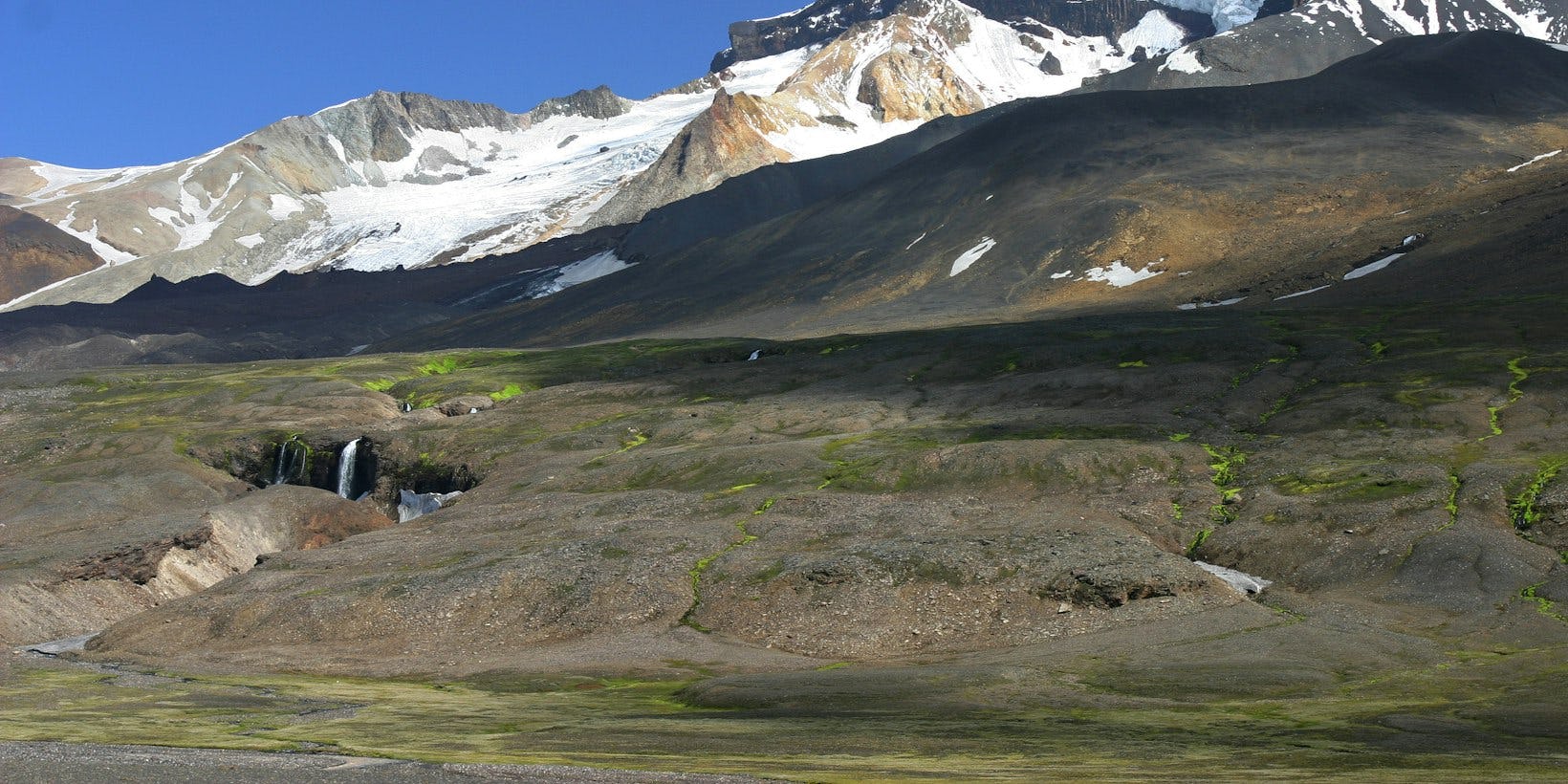
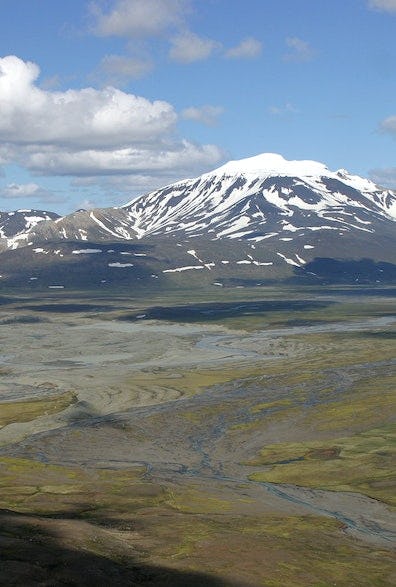
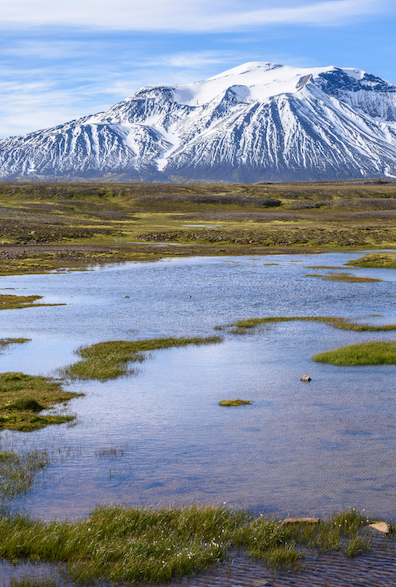
Snæfellsöræfi er háslétta umhverfis hina fornu megineldstöð Snæfell og móbergshnjúkana sem umkringja fjallið. Snæfell vakir yfir ferðafólki enda fjórða hæsta fjall Íslands. Snæfellsöræfin eru sérstaklega merkileg fyrir að vera rík af gróðri í samanburði við önnur hálendissvæði sem skapar gott búsvæði fyrir fjölskrúðugt dýralíf, alþjóðlega mikilvægt votlendi og einstök landform. Ferðamenn sækja í svæðið yfir sumartímann en einnig er mikil aukning í vetrarferðamennsku enda mikil gróska í ferðaþjónustu á austurandi.
Aðgengi og þjónusta
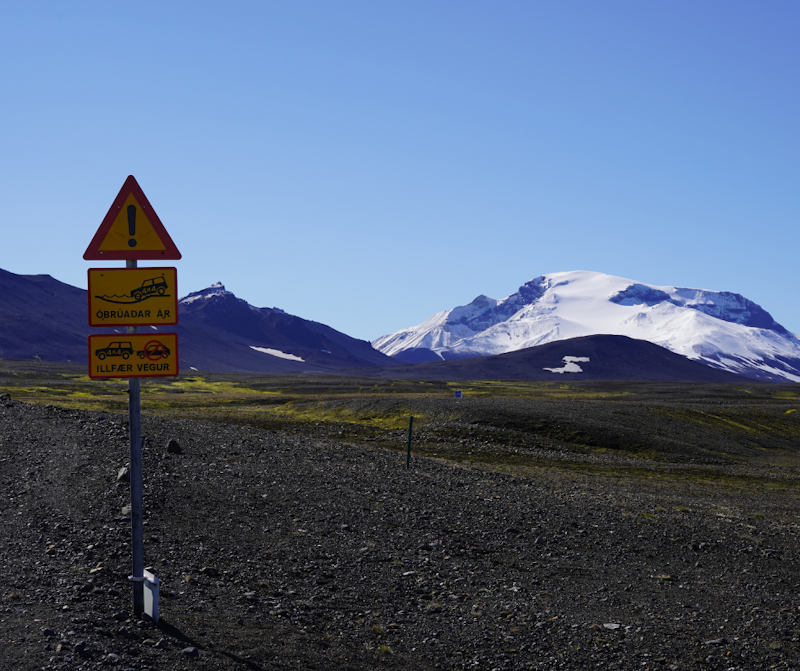
Snæfell er á mörkum sveitarfélaganna Fljótsdalshrepps og Múlaþings. Fjallvegurinn F910 liggur að Snæfellsskála. Vegurinn er fær frekar seint miðað við aðra fjallvegi en undanfarin ár hefur verið miðað við að hann sé fær í byrjun júlí. Tvö vöð eru á Snæfellsleið en yfir sumartíman eru þau yfirleitt auðveldlega fær fjórhjóladrifnum jepplingum. Ef farið er stystu leiðina frá Egilsstöðum er hún 93 km og þar af er bundið slitlag nánast alla leið, eða um 80 km. Þó er hægt að koma að fjallinu í gegnum aðrar fjallleiðir.
Landvörslustöð í Snæfelli
GPS hnit: N64° 48.250' - W015° 38.600'
Símanúmer landvarða: 842 4367
Fræðsla og upplýsingar
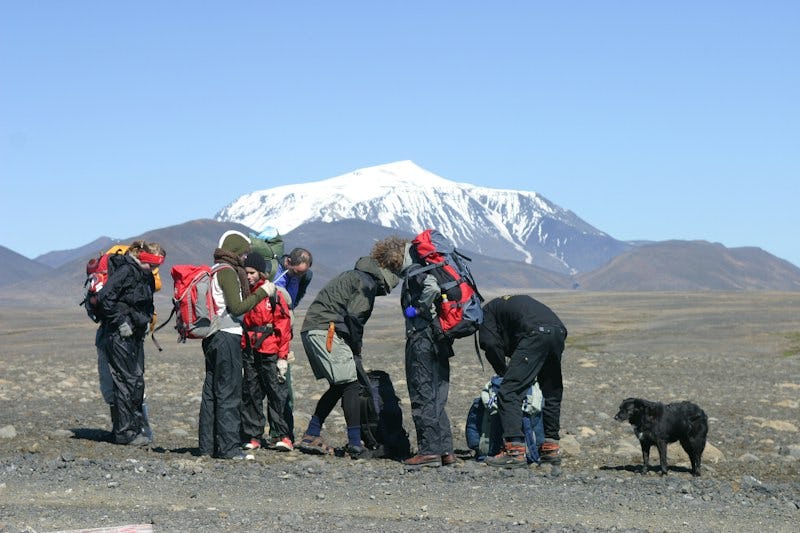
Landverðir sinna eftirliti og upplýsingagjöf á svæðinu frá því að vegurinn er fær og yfirleitt til 20. september ef veður og færð leyfa. Þeir sjá um að veita upplýsingar um þær fjölmörgu gönguleiðir sem eru á svæðinu, fara með gesti í fræðslugöngur samkvæmt fræðsludagskrá, sjá um tjaldsvæðið við Snæfell ásamt gistingu í Snæfellsskála svo eitthvað sé nefnt.
Fræðsludagskrá Vatnajökulsþjóðgarðs er í gildi yfir sumarið þar sem boðið er uppá fjölbreyttar göngur og fræðslu vítt og breitt um þjóðgarðinn. Hægt er að kynna sér fræðslugöngur sumarsins á austursvæði með því að ýta á hlekkinn.
Snæfellsstofa
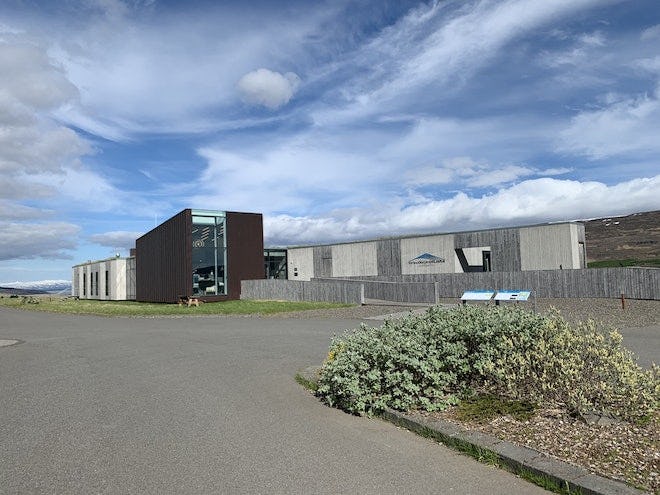
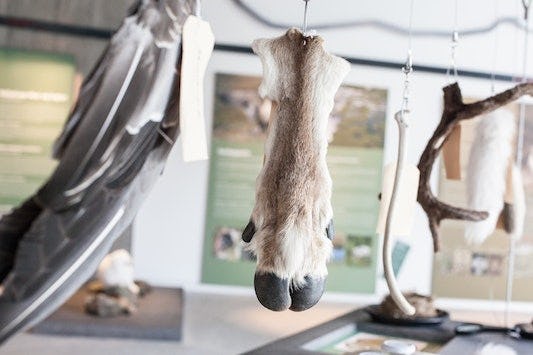
Snæfellsstofa er staðsett á Skriðuklaustri í Fljótsdal. Gestastofan er tengd Snæfellsöræfum og þar má fá upplýsingar, fræðslu og versla minjagripi. Sýningin Veraldarhjólið er í Snæfellsstofu og fjallar hún um hringrás og mótun náttúrunnar með áherslu á gróðurfar öræfanna, hreindýr og annað dýralíf. Hönnun sýningarinnar leggur áherslu á að börn geti snert, lyktað og prófað sig á ýmsum sýningarmunum. Yfir sumartímann bjóða landverðir upp á fræðsluviðburði og barnastundir.
Gisting
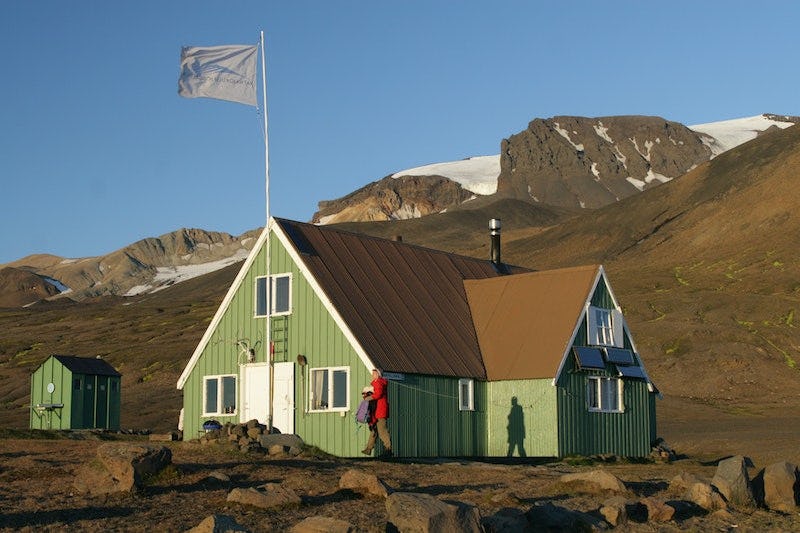
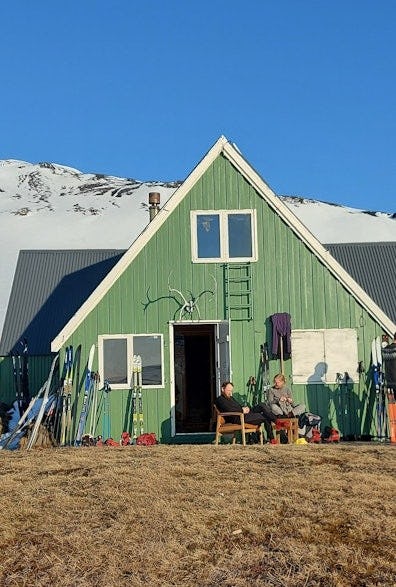
Snæfellsskáli er við Snæfell, þar er gisting fyrir u.þ.b. 45 manns og einnig tjaldsvæði, vatnssalerni og sturtur. Nokkrir fjallaskálar eru í friðlandinu í Lónsöræfum eða jaðri þess.
Fyrirspurnir og bókanir í síma 842-4367 eða á [email protected].
Náttúra og saga
- fræðsla og uppgötvun
Náttúra og saga
- fræðsla og uppgötvun
Snæfellsöræfin eru sérstaklega merkileg fyrir að vera rík af gróðri í samanburði við önnur hálendissvæði sem skapar gott búsvæði fyrir fjölskrúðugt dýralíf, alþjóðlega mikilvægt votlendi og einstök landform. Ferðamenn sækja svæðið yfir sumartímann, en einnig er mikil aukning í vetrarferðamennsku.
Land mótað af jöklum og jökulám
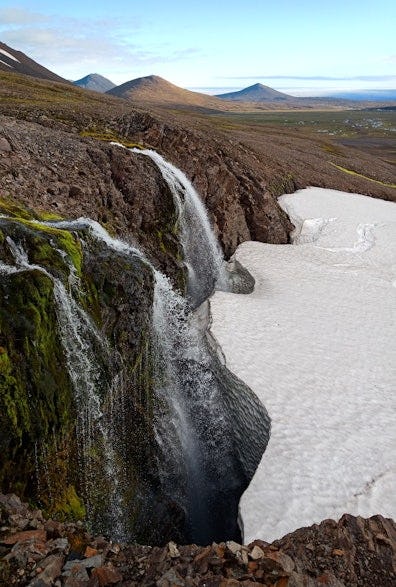
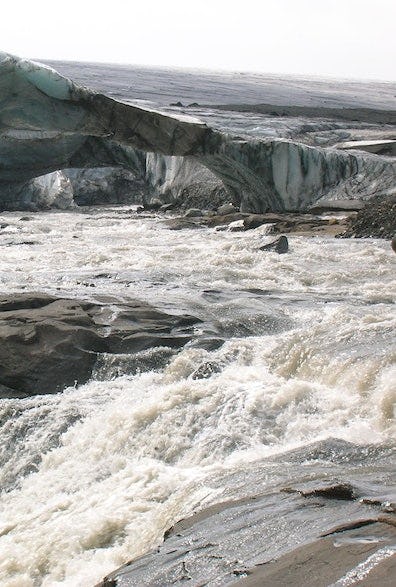
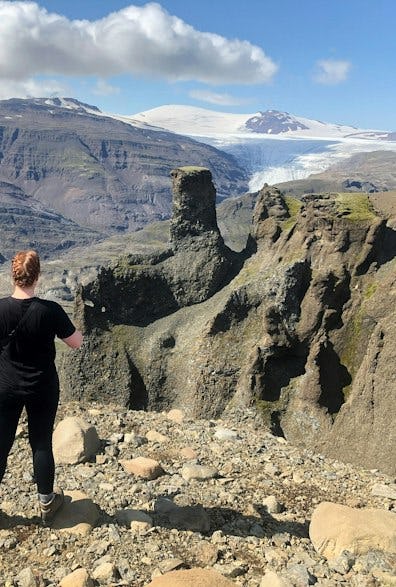
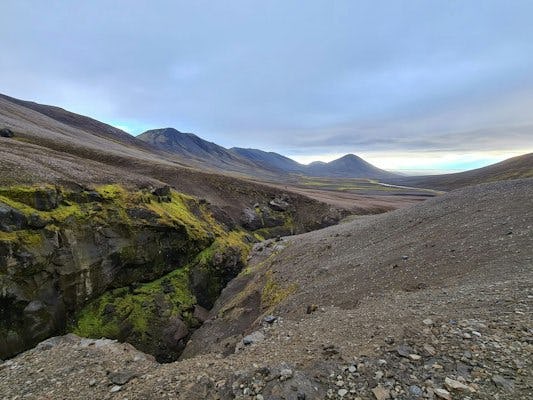
Skriðjöklar og jökulár móta hásléttu Snæfellsöræfa. Stærsti skriðjökull Vatnajökuls og mesti framhlaupsjökull heims, Brúarjökull, markar suðurbrún Snæfellsöræfa. Framan skriðjöklanna gefur að líta einstök landform mótuð í gríðarlegum framhlaupum þeirra; töðuhrauka, malarása og jökulkembur. Við jökulsporð Eyjabakkajökuls eru Eyjabakkar, myndaðir af árþúsunda framburði Jökulsár í Fljótsdal. Jöklarnir hopa hratt sem veldur stöðugum landbreytingum, nýtt land lítur dagsins ljós og eldri landform breytast.
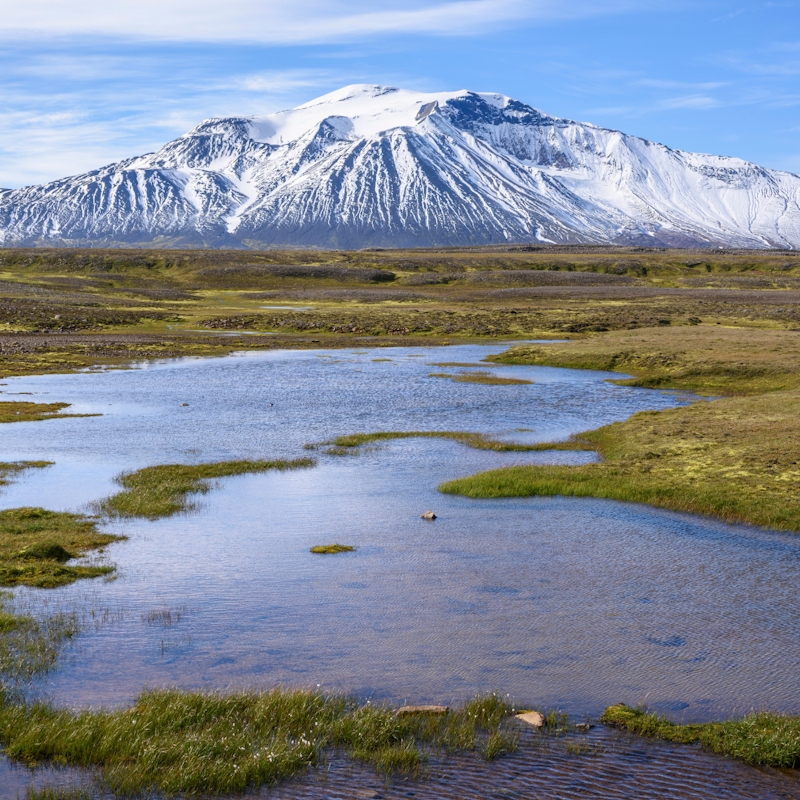
Snæfell
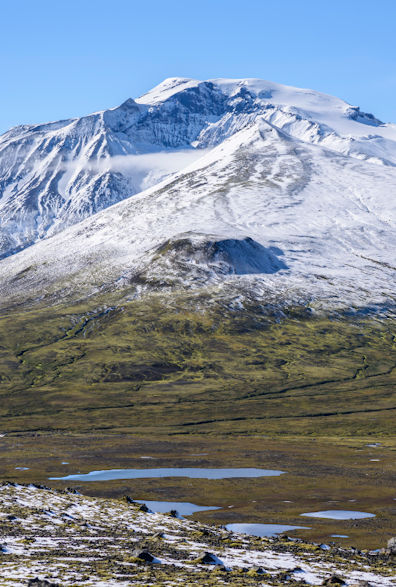
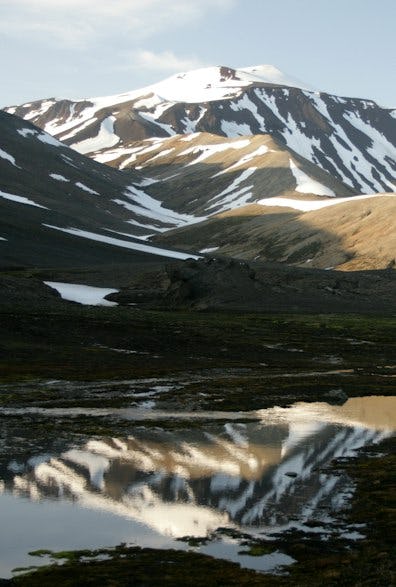
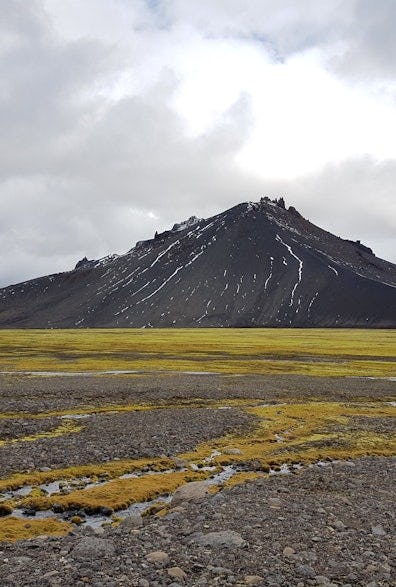
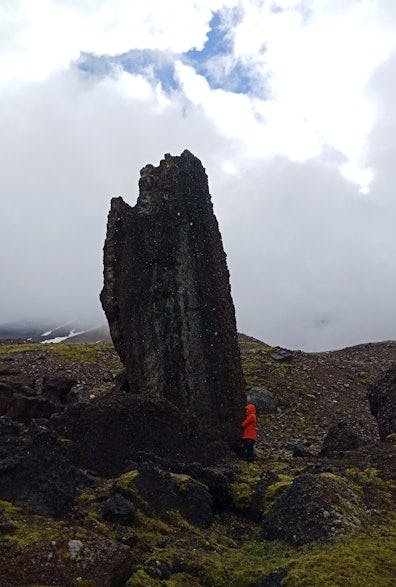
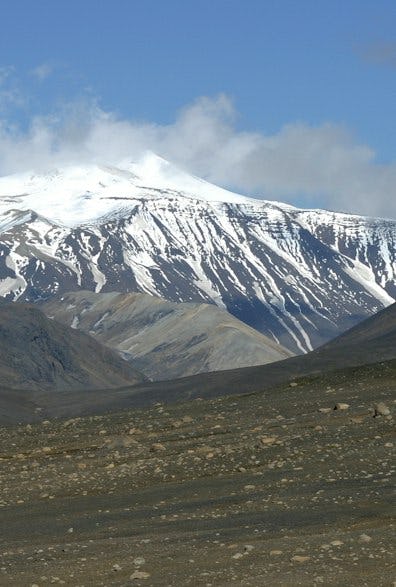
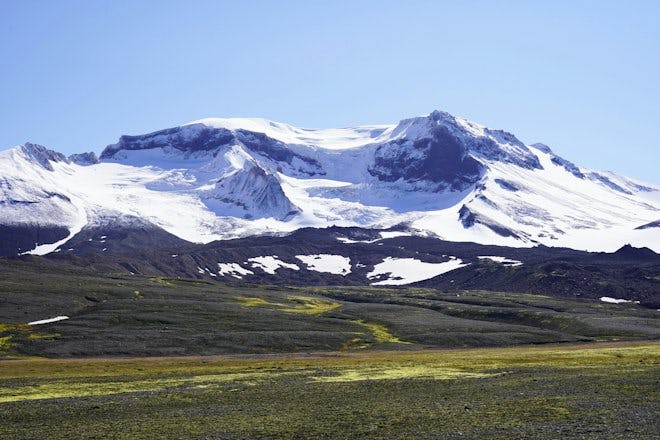
Snæfell er forn megineldstöð við norðausturjaðar Vatnajökuls. Það rís um þúsund metra yfir hásléttuna og er hæsta fjall landsins utan jökla, 1833 m yfir sjávarmáli. Deilt er um hvenær þar gaus síðast og hvort fjallið sé virk eldstöð eða útkulnuð. Snæfell og hnjúkarnir umhverfis það tilheyra sérstöku hliðargosbelti hvar Snæfell trónir á norðausturenda gosbeltisins en eldstöðin Öræfajökull í suðvestri. Jarðlögin sem mynda Snæfell hlóðust upp á jökulhefluðum blágrýtisgrunninum við síendurtekin gos síðastliðin 400 þúsund ár, en gosin urðu oftast undir ísaldarjöklinum. Móberg og ljósgrýti eru ríkjandi bergtegundir í fjallinu. Efst í Snæfelli er hveljökull og niður frá honum ganga nokkrir skriðjöklar sem nú fara ört minnkandi.
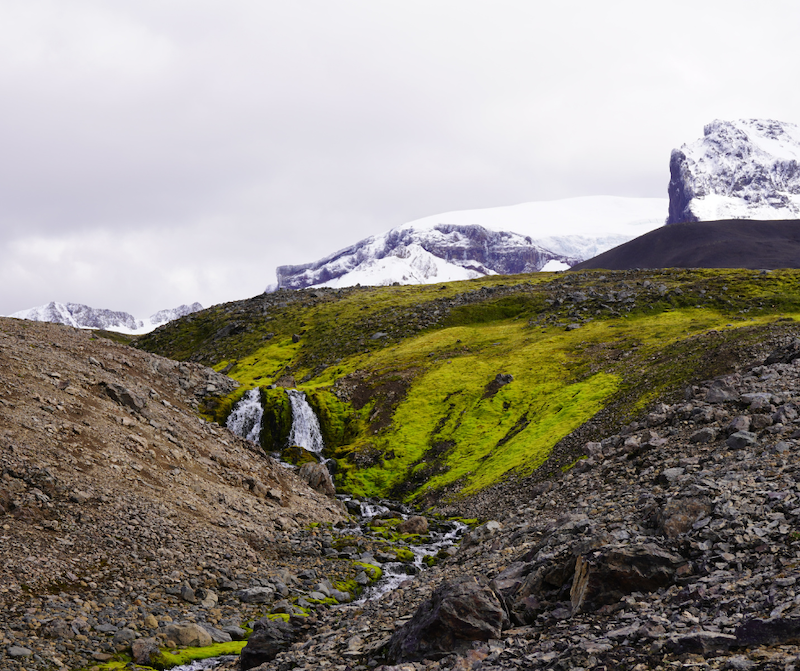
Ramsarsvæðið Snæfell og Eyjabakkar
Árið 2013 var Snæfells- og Eyjabakkasvæðið samþykkt sem Ramsarsvæði sem alþjóðlega mikilvægt votlendissvæði. Ramsarsamningurinn er samningur sem snýr að verndun votlenda með sérstöku tilliti til vaðfugla og vatnafugla. Hann var gerður árið 1971 í borginni Ramsar í Íran og gekk samningurinn í gildi hér á landi árið 1977. Samningurinn var gerður til að reyna að stemma stigum við mikið brottfall úr stofnum votlendisfugla og miklum ágangi á búsvæði þeirra. Þetta er gert til að vernda líffræðilegan fjölbreytileika í heiminum og til að stuðla að lífvænlegri framtíð mannsins á jörðinni með því að vernda vistkerfi og búsvæði þeirra. Í mörg ár var þetta aðal forsenda samningsins en nú á síðustu árum hafa bæst við hugmyndir um mikilvægi votlendis af fleiri ástæðum s.s. til útivistar og til viðhalds á vatnsbúskapi svæða.

Laus störf: Sérfæðingur í þjónustu og miðlun og landvörður á austursvæði Vatnajökulsþjóðgarðs

Þórhallur Jóhannsson hefur verið ráðinn sem aðstoðarþjóðgarðsvörður austursvæðis Vatnajökulsþjóðgarðs

Landverðir sinna eftirliti með veiðum við Snæfell

Laust starf: Staðgengill þjóðgarðsvarðar á austursvæði Vatnajökulsþjóðgarðs

Laust starf: Þjónustustjóri í Snæfellsstofu

Vatnajökulsþjóðgarður er Fyrirmyndarstofnun árið 2024